Wondering which part of Boonville will fit you best? Even inside one ZIP code, different pockets can feel like different towns. If you are weighing price, yard size, commute, or schools, it helps to compare a few clear micro-markets side by side. In this guide, you’ll see how to think about Boonville’s core areas, what to expect in each, and how to match your needs to the right spot. Let’s dive in.
How to think about Boonville micro-markets
Boonville and its immediate surroundings in 47601 break naturally into a few buyer-friendly micro-markets. For practical comparison, this guide uses four intuitive areas:
- Downtown and county-seat core
- Established in-town neighborhoods
- Newer subdivisions and build opportunities
- Rural outskirts and large-lot living
Each area differs on price range, housing age and style, lot size, commute pattern, and ongoing costs. Use the sections below to zero in on what matters most to you.
Downtown and county-seat core
What you’ll find
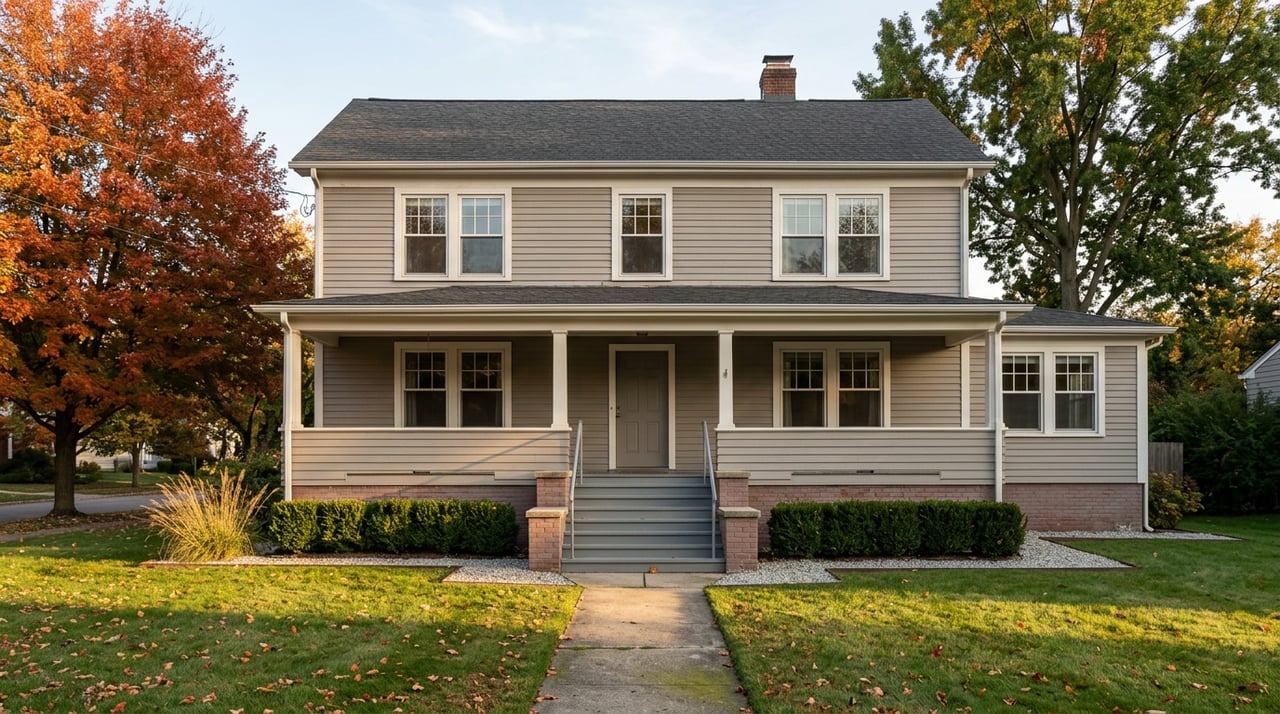
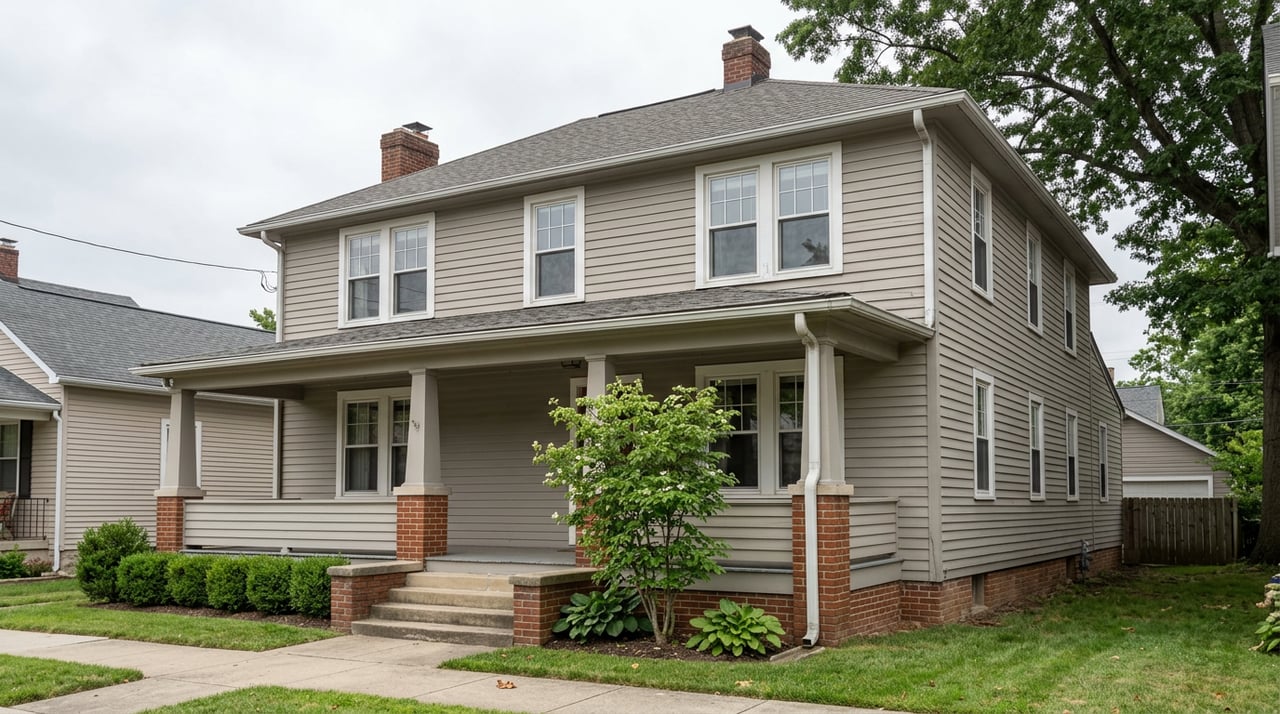
You’ll see a compact street grid near the courthouse square with a mix of older single-family homes and small mixed-use pockets. Many homes in this area have character details, front porches, and smaller lots that keep yard work manageable. Daily errands, local dining, and community events tend to be close by.
Who it fits
- First-time buyers who value affordability and convenience.
- Downsizers who want less maintenance and proximity to services.
- Investors looking at rental demand near the core.
Watch-fors
Older structures can mean roof, wiring, or foundation updates during ownership. Parking can be tighter on certain blocks. If you are sensitive to activity levels, visit at different times of day to understand traffic and noise patterns.
Buyer tip
Ask your agent for a 30-, 90-, and 365-day market snapshot around the core. Focus on median days on market and the list-to-sale price ratio to gauge pace and negotiation room.
Established in-town neighborhoods
What you’ll find
Just outside the core, you’ll find stable residential streets with a broad mix of ranch and two-story homes. Lots are typically moderate in size, with sidewalks on many blocks and community parks a short drive away. Floor plans often include 3 bedrooms, with garages and usable backyards.
Who it fits
- Growing households looking for multiple bedrooms and a yard.
- Buyers who want a neighborhood feel and quick access to schools and sports fields.
- Anyone who prefers a move-in-ready home without new-build timelines.
Watch-fors
Homes vary in age and updates. Compare HVAC, roof, and window ages when you shortlist homes. If you want a quiet street, check traffic patterns and proximity to major corridors.
Buyer tip
Have your agent pull a micro-market MLS report that compares price per square foot and months of supply for these neighborhoods. That helps you spot value and understand if the market is leaning toward buyers or sellers right now.
Newer subdivisions and build opportunities
What you’ll find
On the edges of town you’ll see newer subdivisions with contemporary layouts, open kitchens, and attached garages. Some areas may offer buildable lots or semi-custom options through local builders. You may see homeowners associations that maintain common areas and set exterior standards.
Who it fits
- Buyers who want modern floor plans and energy-efficient systems.
- Households that prefer predictable maintenance and newer roofs, systems, and finishes.
- Anyone exploring a build-to-suit path with timeline flexibility.
Watch-fors
Factor HOA dues into your monthly budget. If considering new construction, ask about build timelines, lot premiums, and what is included in the base price. Confirm utility providers and whether fiber internet is available if that matters to your work-from-home setup.
Buyer tip
Request recent building permit activity and a list of active subdivisions from your agent. That shows where future supply is likely to come online, which can affect your options and pricing dynamics.
Rural outskirts and large-lot living
What you’ll find
Near the edges of 47601 you’ll find homes on larger parcels with room for outbuildings, hobbies, and privacy. Home styles range widely, from older farmhouses to newer custom builds. Expect more variation in driveway length, tree cover, and utility setups.
Who it fits
- Buyers who want acreage for gardening, animals, or recreational space.
- Anyone seeking privacy and fewer immediate neighbors.
- Owners who are comfortable with well, septic, or private-drive maintenance when applicable.
Watch-fors
Some properties may use septic systems or private wells. Budget for inspections, routine maintenance, and any needed upgrades. Insurance can vary with factors like flood risk and outbuilding coverage. Winter access and road maintenance can differ from city services, so review those details upfront.
Buyer tip
Before you write an offer, confirm whether the parcel lies in a mapped flood zone and clarify all utility sources. Your agent can help you review county maps and property records so you know what you are buying.
Compare what matters most to you
Use this checklist to compare micro-markets on apples-to-apples terms:
- Price and supply: median sale price, price per square foot, days on market, months of supply, and the list-to-sale price ratio.
- Housing stock: typical lot sizes, median year built, floor plans, and prevalent styles.
- New construction: active subdivisions, available lots, and realistic build timelines.
- Schools and youth programs: assigned schools by address and proximity to parks and sports fields. Use official district resources to confirm assignments.
- Commute and access: distance to your key destinations and proximity to major routes toward employment centers.
- Everyday needs: grocery, pharmacy, healthcare, banking, and casual dining within your weekly routine.
- Safety and community: public safety stats and neighborhood association activity. Keep in mind that small-area data can swing month to month.
- Cost of ownership: property taxes, HOA dues, and differences in city vs. county utility providers and rates.
- Environmental and infrastructure: floodplain presence, drainage history, septic vs. sewer, and any known environmental records.
Note: Market conditions change quickly and small sample sizes can cause swings in neighborhood stats. Ask your agent for current 30-, 90-, and 365-day MLS snapshots for the exact areas you are considering.
Commute and access considerations
If you commute toward regional employment hubs, pay attention to how each micro-market connects to major corridors. Some in-town streets flow directly to primary routes, while rural properties may add drive time before you reach a highway. Visit at your usual commute times, and note school drop-off congestion and seasonal weather considerations.
Schools, parks, and daily life
Boonville’s micro-markets each stack up differently on proximity to schools, parks, and recreation. School assignments vary by address, so confirm official boundaries before you finalize your shortlist. If youth programs or fields are important, map drive times from each prospective home to your preferred activities. For a sense of daily convenience, list your top five weekly errands and see how each area performs.
Taxes, utilities, and HOAs
Recurring costs matter. Property taxes can vary by location and assessed value. City properties may connect to municipal water and sewer, while some county addresses rely on private wells and septic systems. In newer subdivisions, budget for HOA dues and any architectural guidelines. Ask for utility provider details, trash pickup schedules, and estimated monthly costs during your due diligence.
Risk and insurance checks
Smart buyers screen for hidden risks early. Review floodplain maps and ask about local drainage history after heavy storms. In some parts of the region, mine subsidence or historic environmental records can factor into due diligence. Your agent can help you review public maps and connect you with inspectors and insurance professionals to right-size coverage.
Strategy for today’s market
- Get fully pre-approved before touring. You will move faster and negotiate with confidence.
- Align your search criteria with current months of supply in each micro-market. Tighter areas may require quicker decisions or cleaner offers.
- Use inspection periods strategically. For rural properties, include well, septic, and water-quality checks. For older homes, budget for systems updates over time.
- Compare list-to-sale price ratios by area so you understand typical negotiation ranges and can structure offers accordingly.
How we help you compare 47601
Choosing the right pocket of Boonville is easier with local, neighborhood-level data. The Realty Collective pairs on-the-ground market knowledge with modern tools to help you compare price, supply, condition, commute, and ongoing costs by micro-market. Our team supports first-time and move-up buyers, relocation clients, investors, and new-construction shoppers with clear, data-informed guidance.
Ready to find your best fit in Boonville? Reach out for a custom micro-market brief, active listing alerts, and a side-by-side comparison tailored to your goals. Or, if you are also curious about selling, get your free home valuation from our team. Start the conversation with Marc Hoeppner.
FAQs
What are the main micro-markets in Boonville 47601?
- Downtown and county-seat core, established in-town neighborhoods, newer subdivisions and build opportunities, and rural outskirts with larger lots.
How do prices compare between Boonville micro-markets?
- Prices vary by home age, size, and location; ask your agent for current MLS medians, price per square foot, and days on market by micro-market to compare value.
Where are the newest homes near Boonville?
- Newer construction is typically found on the edges of town in developing subdivisions or on larger parcels; request an updated list of active projects and lots.
Are there floodplains or septic systems to consider in 47601?
- Some properties may lie in mapped flood zones or use septic and private wells; verify early and include the right inspections and insurance in your plan.
What commute factors should I weigh if I work in Evansville?
- Prioritize proximity to major corridors, observe traffic at your typical drive times, and consider winter weather routes when comparing micro-markets.
How can I compare assigned schools by neighborhood?
- Confirm assignments with official district resources, review state performance data, and visit campuses to understand programs and logistics for your family.
Is it a buyer’s or seller’s market right now in 47601?
- It depends on the micro-market; use months of supply, list-to-sale price ratio, and days on market from a fresh MLS report to gauge leverage before you offer.