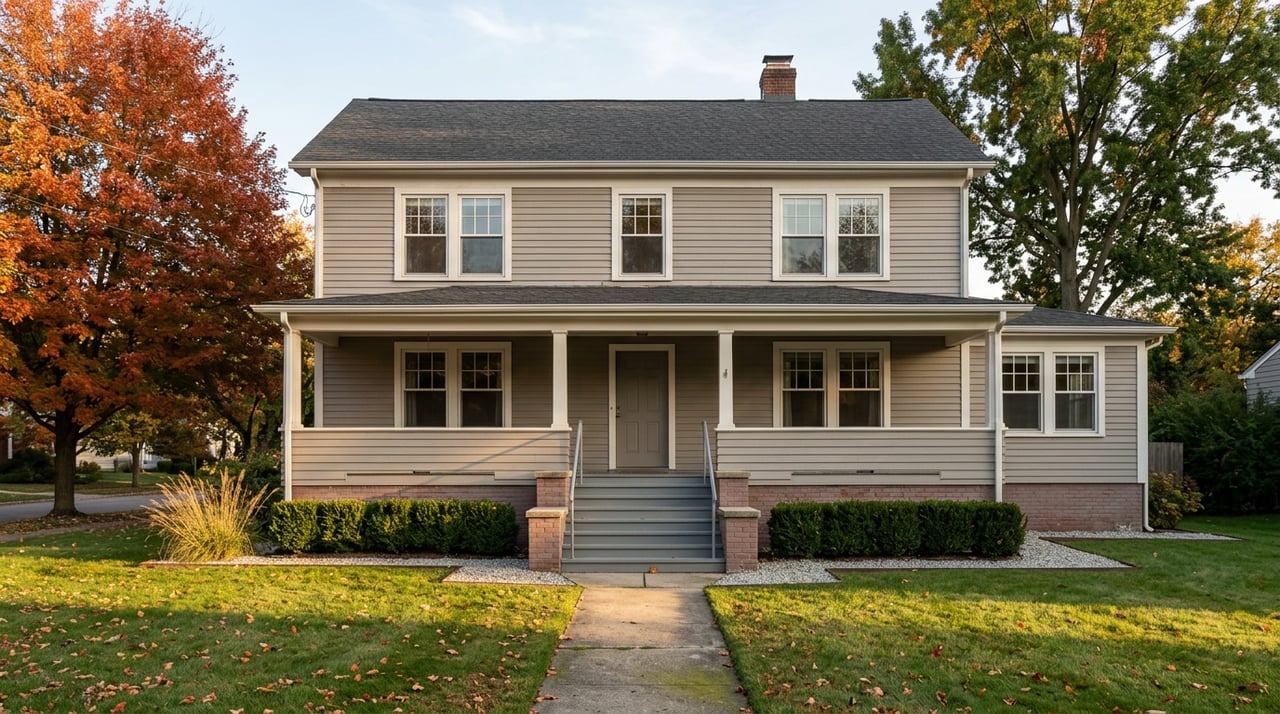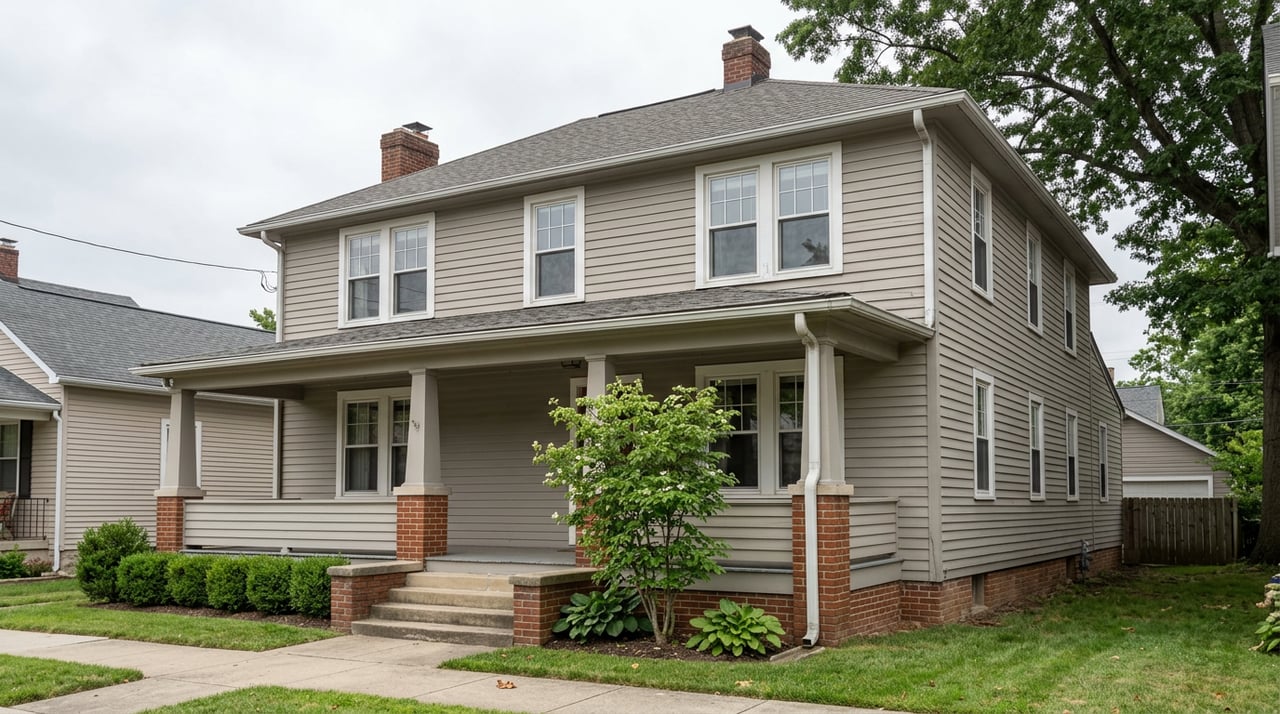
Thinking about buying a rental in Elberfeld but not sure how to size up the return? In a small market, the numbers can feel fuzzy and the comps can be thin. You want a clear way to price rent, forecast expenses, and understand your risk before you write an offer. This guide shows you how to use trusted local sources, calculate core ROI metrics, and account for Warrick County realities so you can invest with confidence. Let’s dive in.
Why Elberfeld draws rental demand
Elberfeld sits within reach of the Evansville metro, which supports a commuter base across manufacturing, healthcare, education, and logistics. That proximity can support steady demand for single-family rentals. At the same time, small-town markets usually have fewer active listings and fewer comps. You may find attractive entry prices and solid gross yields, but expect lower resale liquidity and a smaller tenant pool.
Where to find reliable local data
Getting ROI right starts with credible, local inputs. Here is where to pull them and how to use them.
Sales comps and pricing
Work with a local agent to pull recent sold and active comps from the MLS for Elberfeld and nearby Warrick County towns. Expand your radius when inventory is thin, but match bed/bath count, condition, and lot size closely. Use the most recent 6 to 12 months when possible to reflect current sentiment.
Rent benchmarks
Benchmark asking rent with multiple sources, then cross-check. Use county-level guidance from HUD Fair Market Rents for Warrick County as a reality check by bedroom count. Pair that with on-the-ground intel from local property managers. Adjust for amenities, parking, outdoor space, and recent renovations.
Demographics and jobs
Check renter share, household size, and income trends in the American Community Survey. Review employment levels and industry mix using BLS Local Area Unemployment Statistics. Stable employment centers nearby can support lower vacancy and more predictable rent collections.
Taxes, insurance, and hazards
Pull the most recent tax bill and assessed value from the county before you finalize underwriting. For hazard and insurance considerations, confirm the home’s flood status with the FEMA Flood Map Service Center. Then get a true landlord policy quote based on age, construction type, and replacement cost.
Rules and compliance
Review state-level tax guidance at the Indiana Department of Revenue. For landlord-tenant obligations, security deposits, and notice timelines, consult Indiana Legal Services. If you are considering short-term rentals, verify local zoning and any rental registration requirements with county offices.
Calculate ROI the right way
Use these common investor metrics to compare properties and stress-test returns.
Quick screen: GRM
- Gross Annual Rent (GAR) = monthly market rent × 12
- Gross Rent Multiplier (GRM) = purchase price ÷ GAR
GRM is a fast filter. Lower can be better, but it ignores expenses. Use it to shortlist, not to decide.
Income first: NOI and cap rate
- Net Operating Income (NOI) = GAR − operating expenses (exclude mortgage)
- Cap rate = NOI ÷ purchase price
Cap rate lets you compare properties independent of financing. Compare your cap rate to similar homes across Warrick County, and weigh condition and tenant risk.
Financing matters: cash flow and cash-on-cash
- Cash flow (pre-tax) = NOI − annual debt service
- Cash-on-cash return = annual pre-tax cash flow ÷ total cash invested (down payment + closing + initial rehab)
These show how hard your cash is working after you add leverage. Model your likely interest rate, down payment, and amortization.
Run a sensitivity check
Create best, expected, and conservative cases. Adjust rent by plus or minus 10 percent, vacancy by 2 to 5 points, and include one-time capital projects like a roof or HVAC. This shows how resilient your deal is if the market softens or repairs run high.
Local costs and rules to include
Every line item matters more in a small market. Build your pro forma with conservative assumptions.
- Property taxes: Use the current bill from the county, not a rough percentage. Ask about any local levies that might change the effective rate.
- Insurance: Price a landlord policy that reflects replacement cost and any flood or wind exposure. Confirm flood status with FEMA.
- Property management: Budget 8 to 12 percent of collected rent for single-family homes if you will not self-manage.
- Maintenance and reserves: Set aside 5 to 15 percent of rent for repairs and a capital reserve for systems like roof, HVAC, and major appliances.
- Vacancy and credit loss: Use 5 to 10 percent of gross rent unless a local manager advises otherwise.
- Utilities and services: Confirm who pays water, sewer, trash, and lawn care. For septic or well, budget for periodic service.
- Legal and compliance: Review state rules via Indiana Legal Services and tax treatment via the Indiana Department of Revenue. Consider a local attorney for lease and eviction guidance.
Risks and opportunities in Elberfeld
- Liquidity: Expect fewer comps and longer marketing times than urban areas. Price with patience and plan your exit horizon.
- Tenant pool: Demand often comes from commuting professionals and local workers. Professional screening and consistent communication can support collections.
- Contractor availability: Smaller vendor pools can mean longer repair timelines. Get multiple bids and maintain a reserve.
- Opportunity: Entry prices may be lower, and strategic upgrades plus professional management can reduce vacancy and support rent growth.
A step-by-step ROI workflow
- Define your target home: beds, baths, lot size, and acceptable condition range.
- Pull 3 to 6 sold comps and 3 to 6 rent comps from Elberfeld and nearby Warrick County towns.
- Estimate market rent, then calculate GAR. Sanity-check with HUD Fair Market Rents.
- Price expenses: current property tax bill, insurance quotes, management, maintenance, reserves, utilities, and vacancy.
- Compute NOI and cap rate to compare apples to apples.
- Layer in financing terms to calculate cash flow and cash-on-cash.
- Run a sensitivity analysis for rent, vacancy, and a one-time capital project.
- Confirm zoning, rental rules, and flood status through county offices and FEMA Flood Maps.
- Build a 5 to 10 year pro forma with rent growth and expense inflation.
- Decide on offer price and contingencies based on your conservative case.
Due-diligence checklist
- Property basics: parcel boundaries, zoning, year built, and any HOA rules.
- Taxes: assessed value and the last two years of tax bills.
- Condition: full inspection plus contractor estimates for any issues.
- Utilities: confirm providers and typical costs; note septic or well service needs.
- Insurance: landlord policy quotes and any flood insurance requirements.
- Market inputs: manager estimates for rent, vacancy, and turnover costs.
- Lending: investor loan term sheet or pre-approval to model debt service.
- Legal: review state landlord-tenant standards via Indiana Legal Services and tax items with the Indiana Department of Revenue.
- Reserves: set aside at least 3 to 6 months of operating expenses or a defined capital reserve.
Get local insight and deal flow
Successful investing in Elberfeld comes down to local comps, careful underwriting, and conservative assumptions. If you want vetted numbers, property manager referrals, and timely comps, our team can help you move quickly and confidently. Ready to evaluate a specific property or build a short list? Connect with Marc Hoeppner for a consultative walkthrough of your ROI and next steps.
FAQs
How do I estimate rent for an Elberfeld house?
- Start with 3 to 6 nearby rent comps, then cross-check with HUD Fair Market Rents and feedback from a local property manager.
What cap rate should I expect in Warrick County?
- It varies by property condition and tenant risk; compare your cap rate to similar single-family rentals nearby and make decisions using conservative expense and vacancy assumptions.
How do property taxes affect ROI in Elberfeld?
- Use the actual county tax bill to model annual expense rather than a percentage estimate, since small changes in assessed value can move your cap rate and cash flow.
What landlord rules matter most in Indiana?
- Review notice, deposit, and habitability standards with Indiana Legal Services and align your lease and processes before listing.
Should I buy-and-hold or flip in Elberfeld?
- Elberfeld often fits a buy-and-hold approach due to smaller buyer pools and longer marketing times, with value-add potential through modest rehab and professional management.