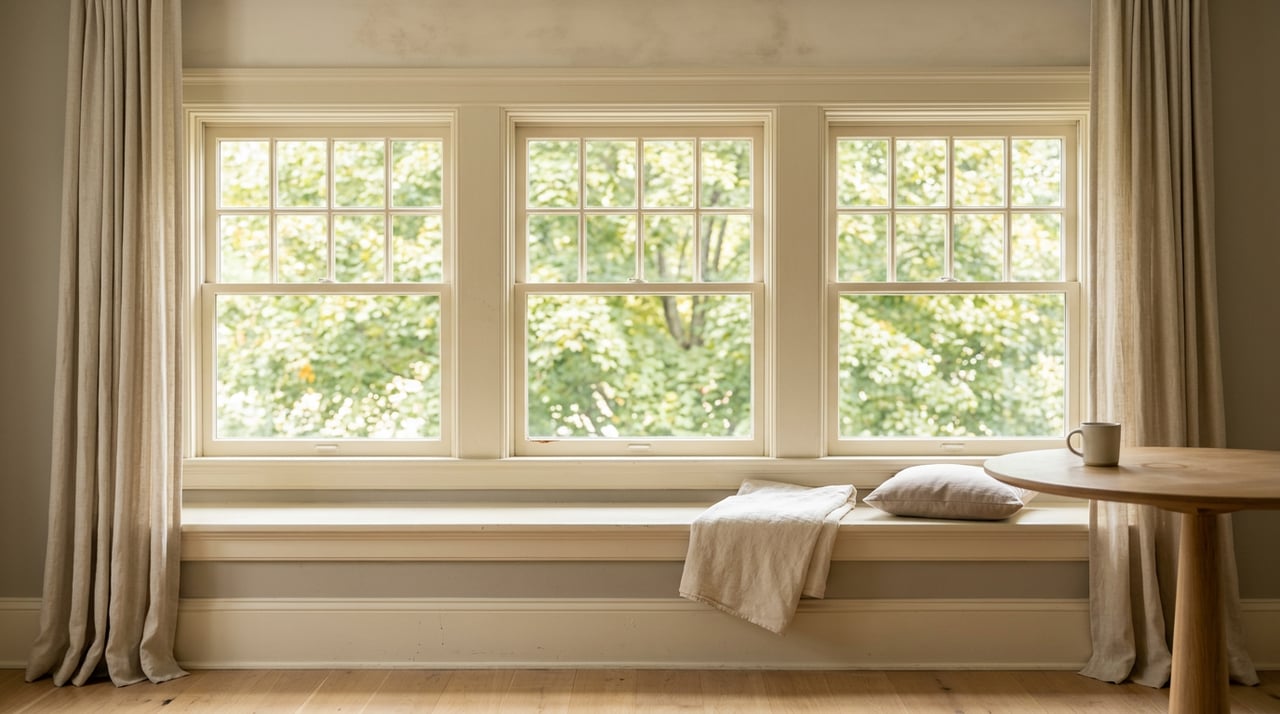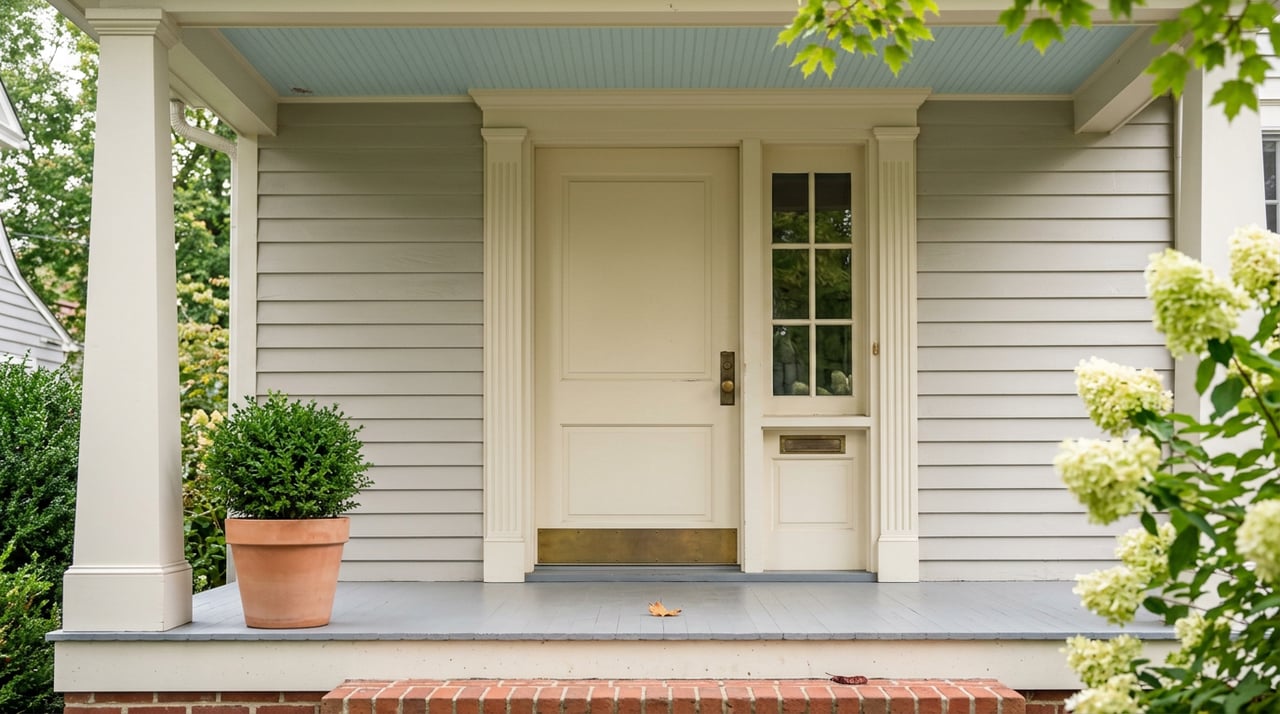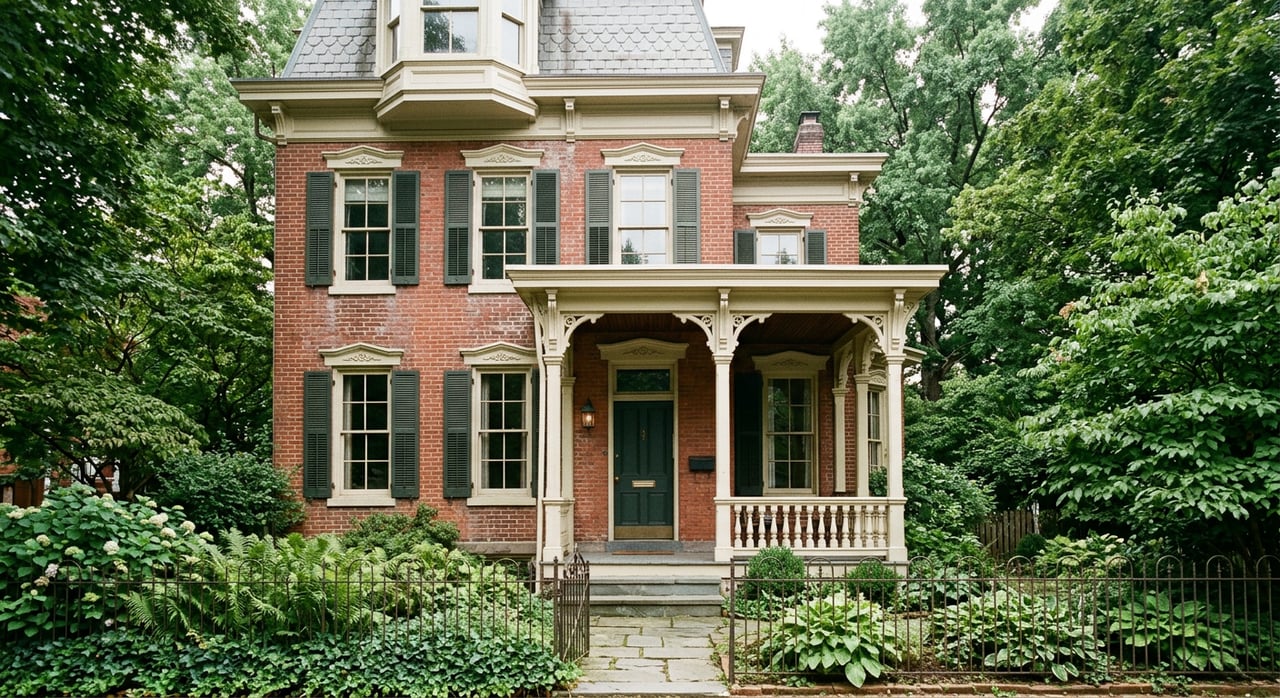
Love original millwork, tall windows, and front porches with stories to tell? Vincennes gives you all of that in a compact, walkable setting shaped by more than two centuries of architecture. If you are drawn to older homes, you will find a wide range of historic options here, from early Federal-era buildings to Craftsman bungalows. In this guide, you will learn where to look, what to expect, and how to research and plan a smart purchase in 47591. Let’s dive in.
Why Vincennes is a standout for historic homes
Vincennes is Indiana’s oldest city and includes a large National Register historic district with buildings dating from the late 1700s through the mid‑20th century. According to the county’s National Register listings, the district spans civic, commercial, and residential blocks with styles like Federal, Greek Revival, Italianate, Queen Anne, Prairie, Bungalow, and Art Deco. You can review the district context and properties by browsing the county’s National Register entries. Explore Knox County’s National Register listings.
Local preservation groups also maintain district maps, paint guidance, and homeowner resources, which are helpful when you are comparing blocks or planning projects. You can find those resources on the Vincennes/Knox Preservation Foundation’s page. See the Vincennes Historic District resources.
Downtown/Courthouse Square
Downtown is the commercial and civic heart of the Vincennes Historic District, centered on the Knox County Courthouse and the Main and 2nd Street corridors. Many adjacent residential streets include smaller historic homes with front porches and alley access. Lots tend to be shallow with narrow setbacks, which creates a traditional streetscape.
- Architectural mix: Federal and Greek Revival public buildings, plus Italianate, Queen Anne, Classical Revival, and Craftsman/Bungalow homes on nearby blocks. County NRHP entries outline these styles.
- Renovation patterns: masonry repointing, roof replacement, careful window repair or replacement, and modernized mechanical systems are common. The National Park Service offers practical best practices for windows, masonry, and finishes. Review NPS Preservation Briefs by topic.
- Buyer takeaways: you will likely trade character for some quirks, like smaller kitchens or older mechanicals. For less renovation, focus on homes that already received sympathetic updates while keeping original trim and porches. For restoration potential, look for intact woodwork and stable masonry. The local preservation group’s district map is a quick way to confirm whether a property falls in the historic district and what guidance may apply. Check the local district map and guidance.
Pro tip: Historic Sanborn Fire Insurance maps let you compare original building footprints and lot patterns to what exists today. Browse Vincennes Sanborn map sheets.
Grouseland and the Park–Scott blocks
Just west of downtown, the Park and Scott Street blocks include Grouseland, the 1804 Federal-style home of William Henry Harrison, now a National Historic Landmark. These blocks include some of the oldest surviving domestic buildings in Vincennes and read like an open-air exhibit of early American residential architecture. Learn about Grouseland’s history.
- What you will see: high‑style Federal masonry on larger parcels with mature trees and historic limestone foundations. Some properties sit on deeper or combined lots compared with downtown.
- Renovation focus: careful masonry maintenance, monitoring settlement, and preserving early interior woodwork. For research, consult National Register documentation and local preservation notes to confirm construction dates, materials, and significance. Reference the county NRHP listings.
- Buyer takeaways: these properties suit buyers who want a showpiece or museum‑quality restoration. Expect specialized trades and preservation‑aligned methods to protect early materials.
University-adjacent residential
Blocks north and east of Vincennes University mix turn‑of‑the‑century houses, smaller bungalows, and some multi‑unit conversions. These streets serve both long‑term residents and student renters, which can influence renovation priorities and investment strategy.
- Typical homes: one‑ to two‑story bungalows and vernacular Victorians with porches and modest lot widths. Detached garages are less common than driveways or on‑street parking. Sanborn maps and county parcel data are useful for confirming lot lines and original footprints. View historic Sanborn footprints.
- Renovation patterns: kitchen and bath updates, insulation and electrical upgrades, and HVAC improvements are common. If you prefer less project work, look for homes with modernized mechanicals that still retain original trim and windows.
- Buyer takeaways: if you are considering rental potential, review local landlord requirements and student housing demand near campus.
Riverfront and Lincoln Memorial Bridge corridor
The Wabash River and the George Rogers Clark National Historical Park shape a major civic and recreational anchor on Vincennes’ western edge. The adjacent blocks include older homes, civic landmarks, and classic river views. Get park context from the NPS.
- Site considerations: some properties near the river may lie in mapped floodplains. Before you buy, check FEMA flood maps and local floodplain rules, and budget for drainage, basement waterproofing, or elevation needs on river‑edge lots.
- Renovation focus: foundation maintenance and moisture management are key. Balance the cost of waterproofing and grading with the benefits of park proximity and views.
East side and nearby estate properties
Beyond the dense core you will find mid‑20th‑century subdivisions, earlier streetcar‑era homes, and, nearby in the county, notable rural estates listed on the National Register. Examples include Shadowwood, also known as the Wharf Estate, and Rose Hill Farmstead, which appeal to buyers who want larger parcels or classic revival styles. Review an example NRHP estate file.
- Buyer notes: estate properties often sit on separate tax parcels with zoning and maintenance conditions different from city lots. National Register listing signals significance, but it does not automatically restrict what a private owner can do unless local ordinances or easements apply. Verify any conservation easements, deed restrictions, and county zoning during due diligence.
Renovation and preservation basics for older Vincennes homes
Buying historic does not have to mean taking on a never‑ending project. The key is to plan inspections and budgets with the age of the house in mind. Here is where to start:
- Get the right inspections. In addition to a full home inspection, order separate checks for electrical systems, masonry and foundation, and potential lead paint for homes built before 1978. The EPA explains health risks and safe renovation practices for lead. Read EPA guidance on lead in homes.
- Prioritize typical upgrades. Common projects include roof and gutter replacement, compatible masonry repointing, selective window repair over full replacement when possible, and electrical and HVAC updates that work with historic fabric. The National Park Service offers step‑by‑step briefs for these scopes. See NPS preservation guidance.
- Understand incentives. The federal 20 percent Rehabilitation Tax Credit applies to certified rehabilitations of income‑producing historic buildings, including commercial and rental properties. If you plan a rental or mixed‑use project, explore this pathway with your tax advisor. Review the federal historic tax credit overview.
- Ask about local programs. Local preservation groups sometimes promote grants or loans. Availability changes, so check the Vincennes/Knox Preservation Foundation’s resources page for current literature. Find local preservation resources.
How to research any historic property in 47591
You can learn a lot about a home before you write an offer. Use these tools to confirm history, understand lot patterns, and plan scope and budget.
- National Register listings. Confirm whether a property falls within the Vincennes Historic District and read style summaries and time periods common to each block. Browse Knox County NRHP listings.
- Sanborn Fire Insurance maps. Compare historic footprints, outbuildings, and street patterns to current site conditions. Open the Vincennes Sanborn gallery.
- Local preservation guidance. Check design tips, district maps, paint palettes, and any current grant or loan brochures. Visit the Vincennes Historic District resource hub.
- National Park Service context. Use George Rogers Clark National Historical Park materials to understand the riverfront and civic landscape that anchor nearby neighborhoods. See the park overview.
Your next step
If you are ready to narrow your search to the right blocks, we can help you weigh renovation scope, research historic records, and spot value in original features. When you want a plan for inspections, budget, and timing, reach out to Marc Hoeppner for a focused consultation.
FAQs
Will buying in the Vincennes Historic District limit what I can change on my home?
- Federal National Register listing alone usually does not restrict private owners, but local ordinances, easements, design review, or grant conditions may apply, so review local guidance and city planning before you start work. See local district resources.
How expensive is it to renovate an older Vincennes house?
- Costs vary by scope, but common big‑ticket items include roofs, HVAC, and full or partial rewiring; masonry and window restoration often require specialized trades, and NPS briefs outline best practices to protect long‑term value. Review NPS preservation topics.
Are riverfront homes near the George Rogers Clark park in a flood zone?
- Some parcels near the Wabash River may be in mapped floodplains; confirm with FEMA flood maps and local floodplain rules, and budget for drainage and waterproofing if needed. Use the park page for area context.
How close are historic neighborhoods to Vincennes University and downtown?
- Many historic blocks sit next to downtown and within an easy walk or short drive of the Vincennes University campus at 1002 North First Street; check your preferred block against an online map for exact distances.
Can I use tax credits if I buy a historic property?
- The federal 20 percent Rehabilitation Tax Credit applies to certified rehabilitations of income‑producing historic buildings, including rentals and commercial spaces, not owner‑occupied homes. Read the NPS tax credit overview.