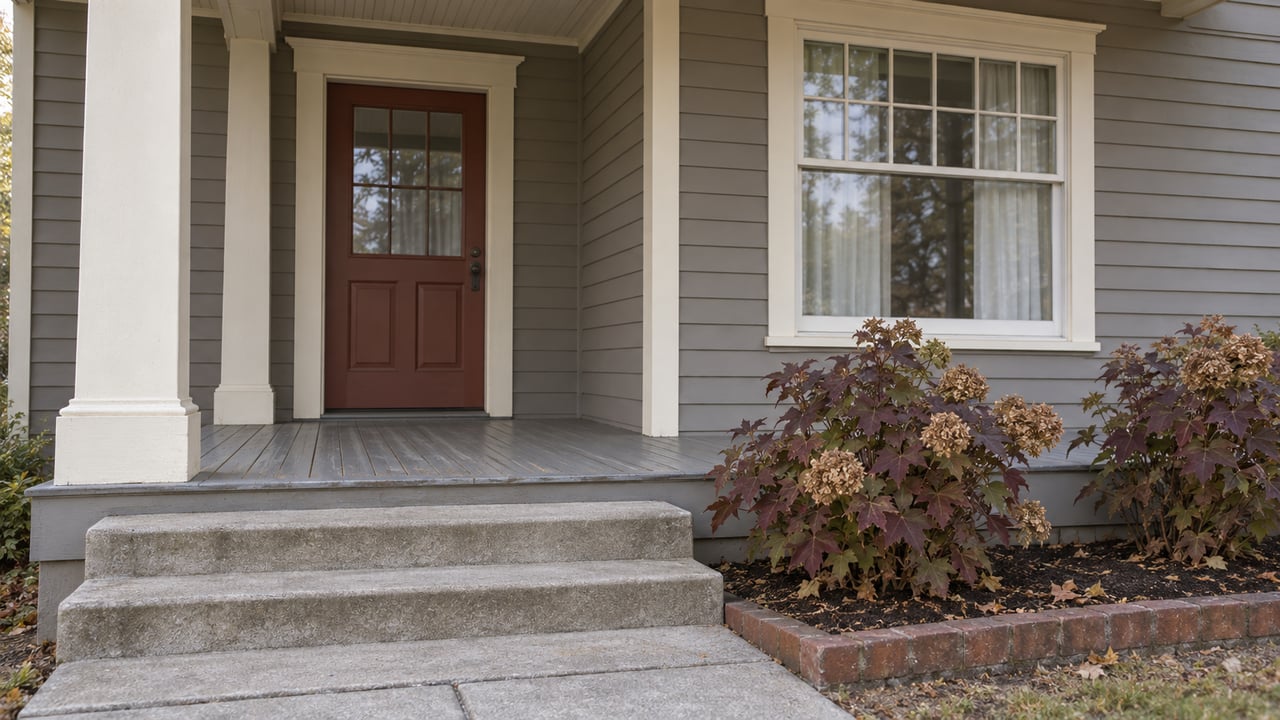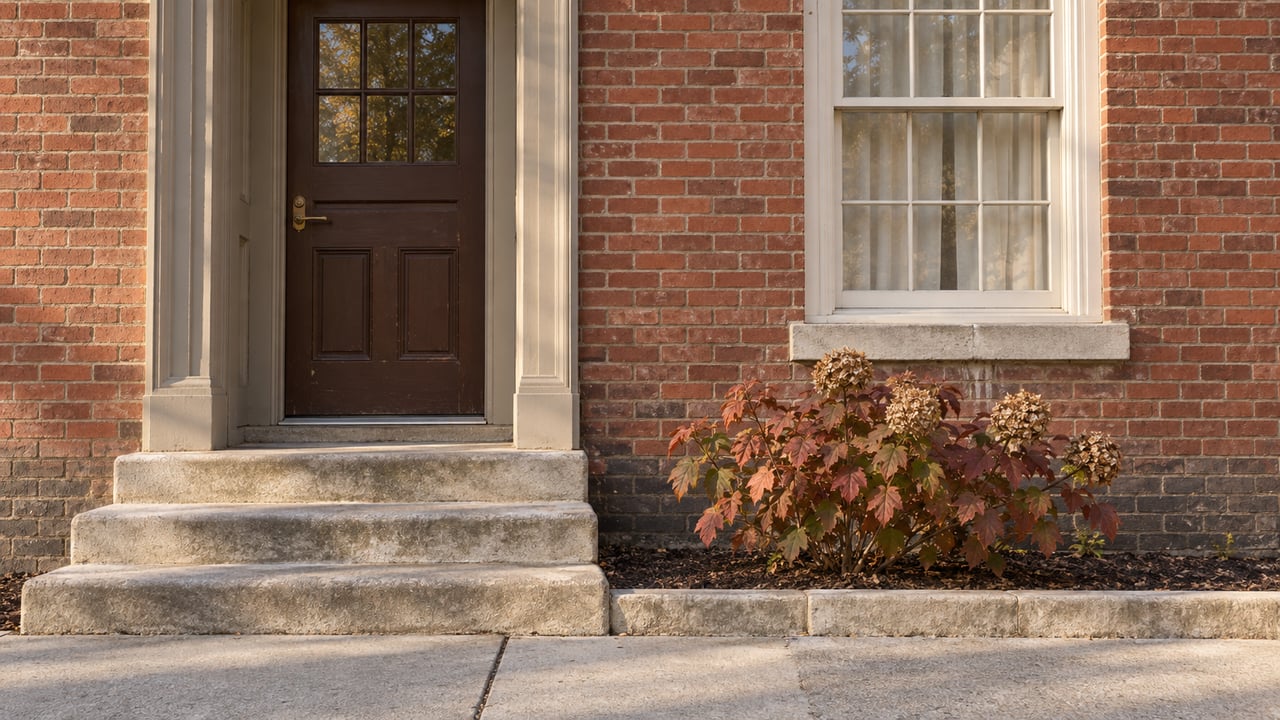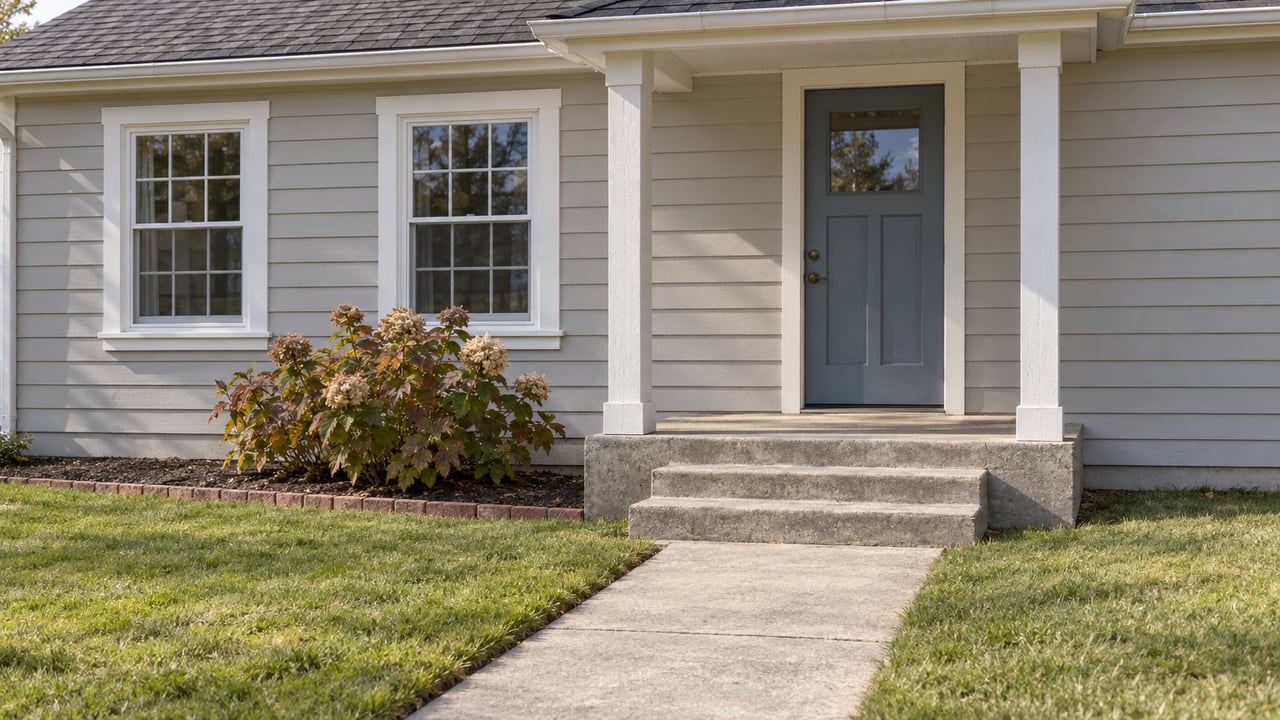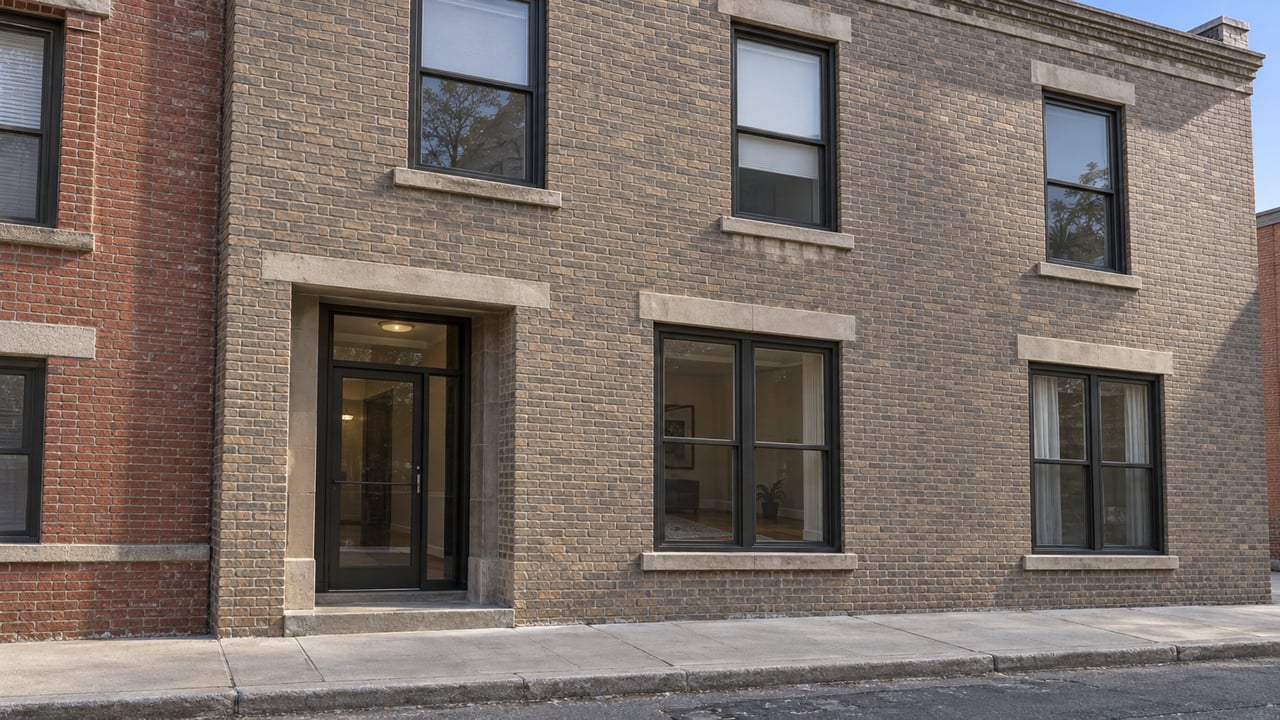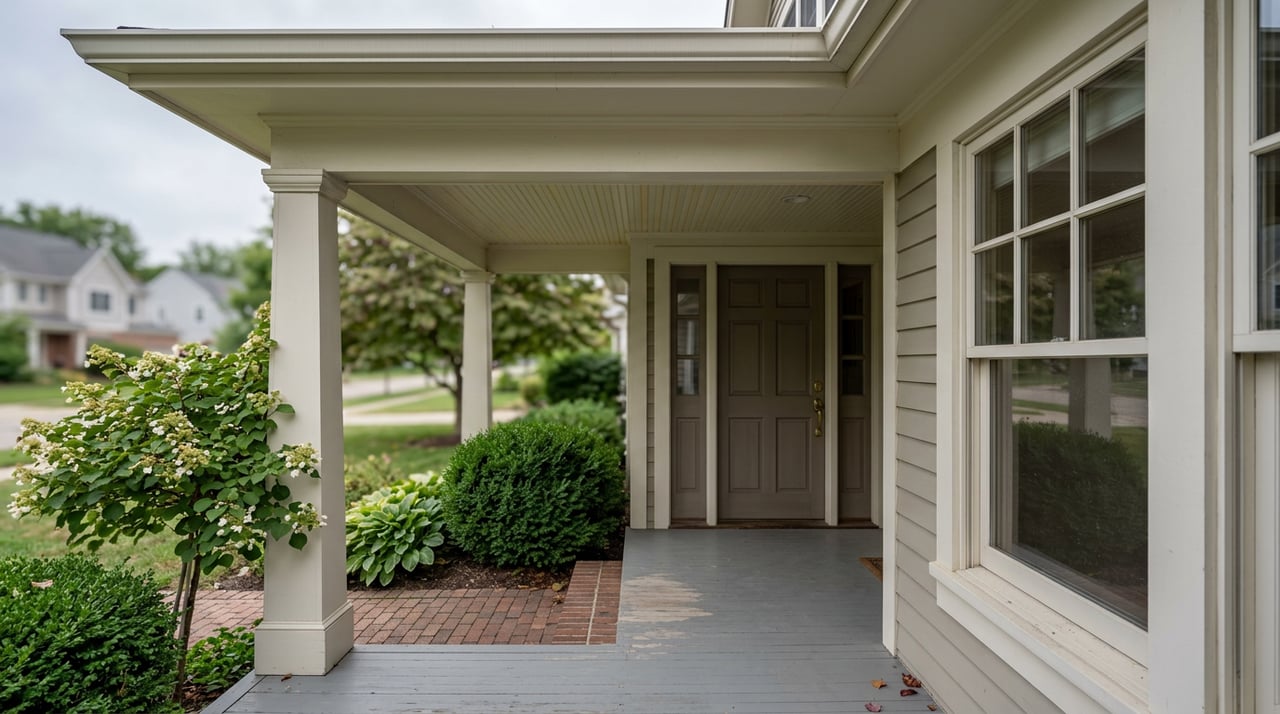
Ask most people where Newburgh's historic district ends and they will point to Main Street: the shops, the Ohio River overlook, maybe Jennings Street if they know the town well. That answer was correct in 1997. It has not been correct since 2018.
That is the year Indiana Landmarks says the Newburgh Town Council added four new residential historic districts to the original four-block downtown commercial corridor the Newburgh Historic Preservation Commission was created to oversee. The practical effect is that a house several blocks off the river, with no view of the water and no storefront in sight, can now fall within one of the residential historic districts. If you are buying, selling, or planning exterior work on an older home in Newburgh, check the property's district and the applicable review requirements before work begins.
The boundary moved. The assumption didn't.
The Newburgh Historic Preservation Commission was created by the Town Council in 1997. For its first two decades, the Commission's attention centered on the original downtown historic district, the four-block commercial core where the Old Town Hall, built in 1853 as Cumberland Presbyterian Church, still stands and remains listed on the National Register of Historic Places.
In 2018, the Town Council created four additional residential historic districts around that core, extending the Commission's jurisdiction beyond the downtown area. Since 2018, Newburgh's historic-district boundaries have included those four residential districts as well as the original downtown district.
Here is the practical difference:
| District type | Established | What it covers |
|---|---|---|
| Downtown commercial historic district | 1997 (Commission formed to oversee it) | Storefronts, signage, and commercial facades along the original four-block core |
| Four residential historic districts | 2018 | The four residential districts around the downtown core |
If you're evaluating a house that isn't obviously "historic" by appearance, confirm whether it lies within a district; a home's appearance alone does not establish its district status.
The Certificate of Appropriateness process
The Town's Historic Preservation Commission has a Certificate of Appropriateness process. The Town's Historic Preservation Commission guidelines generally exempt routine maintenance.
The order matters as much as the requirement itself. According to the Newburgh Neighbor Residential Grant Program, the Certificate has to be secured before work begins, not filed afterward as a formality. For a buyer inheriting a to-do list on an older home, check the applicable review requirements before work begins.
The grant that comes with a one-year string attached
Here is the detail that rarely comes up until it matters. The Newburgh Neighbor Residential Grant Program, run jointly by the Historic Preservation Commission and the nonprofit Historic Newburgh, Inc., offers matching funds for exterior preservation work inside the residential historic districts. On a $5,000 project, the town will match up to $2,000, with the owner covering the remaining $3,000. The program lists painting, wood window repair, porch rebuilds, clapboard siding, and doors as qualifying work.
The grant comes with a condition that a lot of owners don't fully register until they're mid-sale. Recipients sign an agreement that requires reimbursing the grant if the property sells within one year of the project's completion. The clock starts at project completion, not at the date the grant was approved or the paperwork was signed. An owner who used matching funds to redo a porch in the spring and gets an unexpected relocation offer that fall could find themselves owing the town's match back out of their proceeds.
For a buyer, this cuts the other way. If you're touring a recently refreshed historic-district home and the exterior work looks new, it's a reasonable question to ask whether the seller used town match funds and when the project wrapped. The answer tells you something about the seller's timeline flexibility, and it's the kind of detail a standard disclosure form won't surface on its own.
What the current listing pool actually looks like
As of late July 2026, one local brokerage's active listing count for homes inside Historic Newburgh's boundaries showed 10 properties on the market, a median list price of $259,945, and an average of roughly $165 per square foot. Average days on market across that group ran to 87.
Ten listings is a small enough pool that a single high or low outlier can swing the median meaningfully. Treat that $259,945 figure as directional, not definitive, and ask your agent to pull the specific comparable sales for the exact district and street rather than leaning on a townwide historic-district average. The days-on-market figure is worth sitting with too. A number in the high 80s suggests these homes aren't moving on the same clock as typical resale inventory, which tracks with what the permit and grant rules above would predict: buyers who understand the Certificate of Appropriateness process and the grant's one-year clause move with more confidence and less back-and-forth than buyers encountering these requirements for the first time mid-contract.
A sequence that avoids the surprises
- Before you write an offer, confirm which district the parcel sits in. Don't assume based on distance from the river or Main Street. Ask the town's planning office directly whether the address falls in the original commercial district, one of the four residential districts added in 2018, or outside all five.
- Before any exterior work starts, apply for a Certificate of Appropriateness. Confirm in writing whether your specific project is exempt as routine maintenance or requires review.
- Before you accept matching grant funds, read the reimbursement agreement in full. Note that the one-year clock runs from project completion, and plan any near-term sale around that date rather than around the grant approval date.
- Before you list a recently renovated historic-district home, disclose the grant timeline to your agent early. It affects both your net proceeds and how the closing date should be structured.
FAQ
Does a National Register listing by itself restrict what I can do to my house? No. Indiana Landmarks explains that federal listing on the National Register doesn't impose renovation restrictions unless the work uses federal or state preservation funding. The restrictions that actually apply to Newburgh homeowners come from the town's local historic district ordinance and Commission review, which is a separate and stricter layer than federal designation alone.
What if my house looks old but isn't in a mapped district? Then you should still verify this directly rather than assume. The 2018 expansion is proof that district boundaries in Newburgh have changed before and can change again.
Does the town's matching grant program cover exterior painting? The town's own matching grant program explicitly lists painting a house as qualifying, preservation-eligible work.
Newburgh's historic-district rules reach further than the postcard image of downtown suggests, and the rules carry real financial consequences if you learn about them after signing a grant agreement. If you're weighing a purchase, a sale, or a renovation inside one of Newburgh's five historic districts, Marc Hoeppner can walk through the specific district boundary, timeline, and disclosure questions that apply to your address before you're locked into a decision. Get your free home valuation and start with the facts that actually apply to your street.
This article is general information, not legal, tax or financial advice. Consult a qualified professional about your situation.