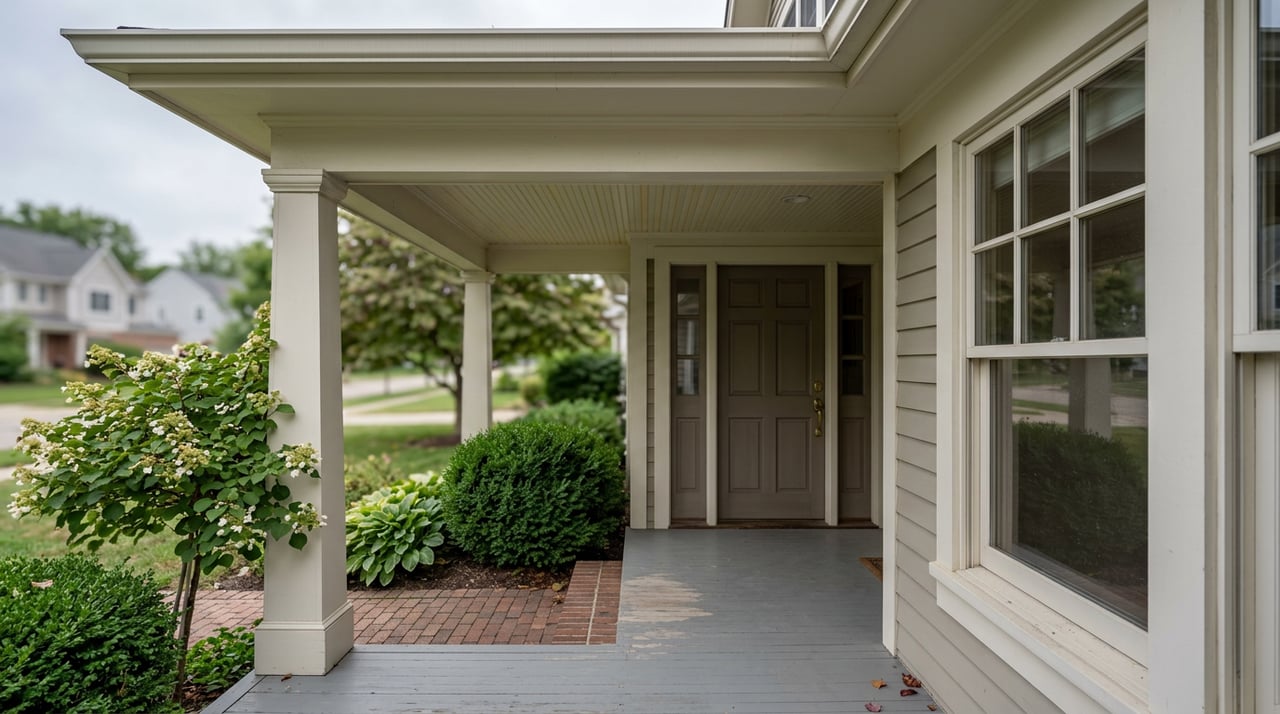
If you are house hunting in Newburgh, one of the biggest surprises can be learning that two homes on similar streets may come with very different rules, fees, and responsibilities. That can feel confusing at first, especially if you are trying to compare monthly costs, maintenance expectations, and day-to-day freedom. The good news is that HOA and subdivision living in Warrick County is usually less about guesswork and more about documents, budgets, and recorded rules you can review before closing. Let’s dive in.
HOA and subdivision living in Newburgh
In Newburgh, subdivision living is often shaped by more than curb appeal or neighborhood feel. Warrick County’s Area Plan Commission oversees development, zoning, land divisions, and subdivision-related approvals, which means planned communities are tied to formal local processes.
That matters because the rules that affect your property often start with recorded documents, not informal neighborhood expectations. In Warrick County, the recorder maintains public real-property records for deeds, mortgages, plats, planned developments, and similar instruments.
The Newburgh area also places a strong focus on parks, trails, and outdoor amenities. Local highlights like Friedman Park, the Rivertown Trail, and Lou Dennis Community Park help explain why many planned communities emphasize orderly streets, shared open space, and access to recreation.
What an HOA usually controls
An HOA does not always mean a heavily managed neighborhood. In Indiana, a home can be in a subdivision with recorded covenants, conditions, and restrictions even if the community feels quiet and low-key.
That is why the marketing description of a neighborhood only tells part of the story. The real source of truth is usually the recorded declaration, bylaws, and rules tied to the property.
These documents often address things like:
- Exterior maintenance standards
- Use of common areas
- Rules for property changes or improvements
- Assessment obligations and dues
- Association powers and owner responsibilities
In practical terms, HOA living often means you trade some flexibility for more predictability. You may get more consistent exterior standards and shared management of common space, but you also take on dues and rules that can affect how you use the property.
Subdivision living without a strong HOA feel
Some buyers assume there are only two choices: HOA or no HOA. In reality, there is a middle ground.
A property may be part of a recorded subdivision with restrictions even when there is not a highly visible association presence. Indiana’s residential seller disclosure form specifically asks whether a property is subject to HOA covenants or restrictions, which shows how important this distinction is during a sale.
So if a neighborhood feels relaxed, that does not automatically mean there are no recorded limits. Before you buy, it is worth confirming whether the home is subject to any covenants, easements, or other recorded encumbrances.
Why recorded documents matter most
In Newburgh, subdivision living is best understood as a documentation-driven purchase. What you can and cannot do with a property is often defined by what is recorded with the county, not by what you observe during a showing.
Indiana purchase agreements state that property is conveyed subject to taxes, easements, restrictive covenants, and other encumbrances of record. Indiana recording law also makes recorded HOA covenants effective when they are filed with the county recorder.
That means you should treat the governing documents as essential due diligence. If something is unclear in a listing or verbal explanation, the recorded paperwork should carry more weight.
What to review before closing
If the home is in a mandatory HOA or condominium community, Indiana purchase forms call for a specific document package from the seller. This is one of the most important parts of your review period.
The seller is expected to provide:
- A written HOA disclosure
- The recorded governing documents
- A statement of current assessments and the amount owed
- Contact information for a board member, managing agent, or management company representative
The purchase form gives the parties a contract-set response window after acceptance and requires delivery no later than ten days before closing. If you do not accept the documents, the agreement can be terminated under the terms of that form.
That is why HOA review should never feel like a box to check at the last minute. It is a meaningful chance to understand the true cost and obligations of ownership before you move forward.
Questions to ask about HOA fees
Monthly or annual dues are only part of the picture. You also want to know what those dues actually pay for and whether any added charges may apply.
Indiana purchase forms indicate that any start-up or one-time reserve fee, if applicable, is paid by the buyer. Association verification or transfer charges may be shared, depending on the contract terms.
As you review a Newburgh property, ask these questions early:
- What do the regular dues cover?
- Is there a special assessment pending?
- Are there one-time fees due at closing?
- Are transfer or verification charges expected?
These questions can help you compare homes more accurately. A property with lower dues is not always the lower-cost option if one-time fees or upcoming assessments are part of the picture.
How HOA budgets affect you
If you buy into an HOA in Indiana, the budget matters because dues are budget-driven. State law requires an annual budget, member notice of the proposed budget, and member access to financial records and board minutes.
For you as a buyer or future owner, this is useful because it means the association’s finances are not supposed to be a mystery. Members can review records and better understand how dues are being used.
This can give you insight into whether the association appears organized and transparent. It can also help you spot whether the budget seems aligned with the maintenance standards and shared amenities the community is trying to support.
Your rights as an HOA member in Indiana
HOA living comes with obligations, but it also comes with governance rights. Indiana law gives members the right to attend board meetings, with limited exceptions.
Owners also have tools to participate in community decisions. If at least 10% of members request a special meeting in writing, the board must hold one.
Indiana law also allows proxies to be submitted by hand delivery, mail, fax, or email. In addition, governing documents must allow owners to amend them under stated consent rules, and the approval threshold is limited to no more than 75% of owners in the covered cases.
For many buyers, this is reassuring. It means you are not simply paying dues without any voice in how the association operates.
How to cross-check public records in Warrick County
If the listing packet feels incomplete or something does not match what you have been told, you have a local backstop. The Warrick County Recorder’s Office states that recorded documents are public record and available for copy.
That can help you verify plats, planned developments, and related subdivision instruments. It is a practical way to confirm what is actually on record before you close.
This step can be especially helpful when you want more clarity on recorded restrictions or subdivision details. In a market like Newburgh, where planned development is shaped through local land-use oversight, public records are a valuable part of buyer due diligence.
HOA living versus more property freedom
For most Newburgh buyers, the decision is not really about whether HOAs are good or bad. It is about choosing the lifestyle and structure that fit you best.
A planned community may offer more standardized neighborhood living, shared maintenance of common areas, and a more uniform appearance. A home outside that structure may offer more individualized property freedom, but fewer shared systems and fewer neighborhood-wide standards.
Neither option is automatically better. The right fit depends on how you want to live, what level of predictability you prefer, and how comfortable you are with recorded rules and ongoing dues.
A smart approach for Newburgh buyers
If you are considering a home in a Newburgh subdivision, keep your review process simple and focused. Verify the recorded covenants, read the budget, ask what the dues cover, and review the assessment statement carefully.
You should also pay close attention to deadlines in the purchase agreement. Because the HOA review period is usually negotiated in the contract rather than fixed by one universal statewide timeline, timing matters.
A clear, local, document-first approach can help you avoid surprises and make a more confident decision. If you want help comparing subdivision rules, reviewing listing details, or understanding what ownership may look like in a specific Newburgh neighborhood, connect with Marc Hoeppner.
FAQs
What does HOA living in Newburgh usually include?
- HOA living in Newburgh usually means your property may be subject to recorded covenants, governing documents, dues, and shared community standards, even if the neighborhood does not feel highly regulated.
What HOA documents should buyers review before closing in Indiana?
- Buyers should review the HOA disclosure, recorded governing documents, current assessment statement, and association contact information before closing.
Can a Newburgh subdivision have restrictions without a strong HOA presence?
- Yes. A home can be in a recorded subdivision with covenants and restrictions even if the neighborhood feels informal or has limited visible association activity.
How can buyers verify subdivision records in Warrick County?
- Buyers can cross-check plats, planned developments, and related recorded instruments through the Warrick County Recorder because recorded real-property documents are public record.
What should buyers ask about HOA fees in Newburgh?
- Buyers should ask what regular dues cover, whether any special assessment is pending, and whether there are one-time reserve, transfer, or verification fees due at closing.
What rights do HOA members have in Indiana?
- Indiana HOA members have rights that include access to certain financial records and board minutes, attendance at board meetings with limited exceptions, and the ability to request a special meeting if enough members participate.