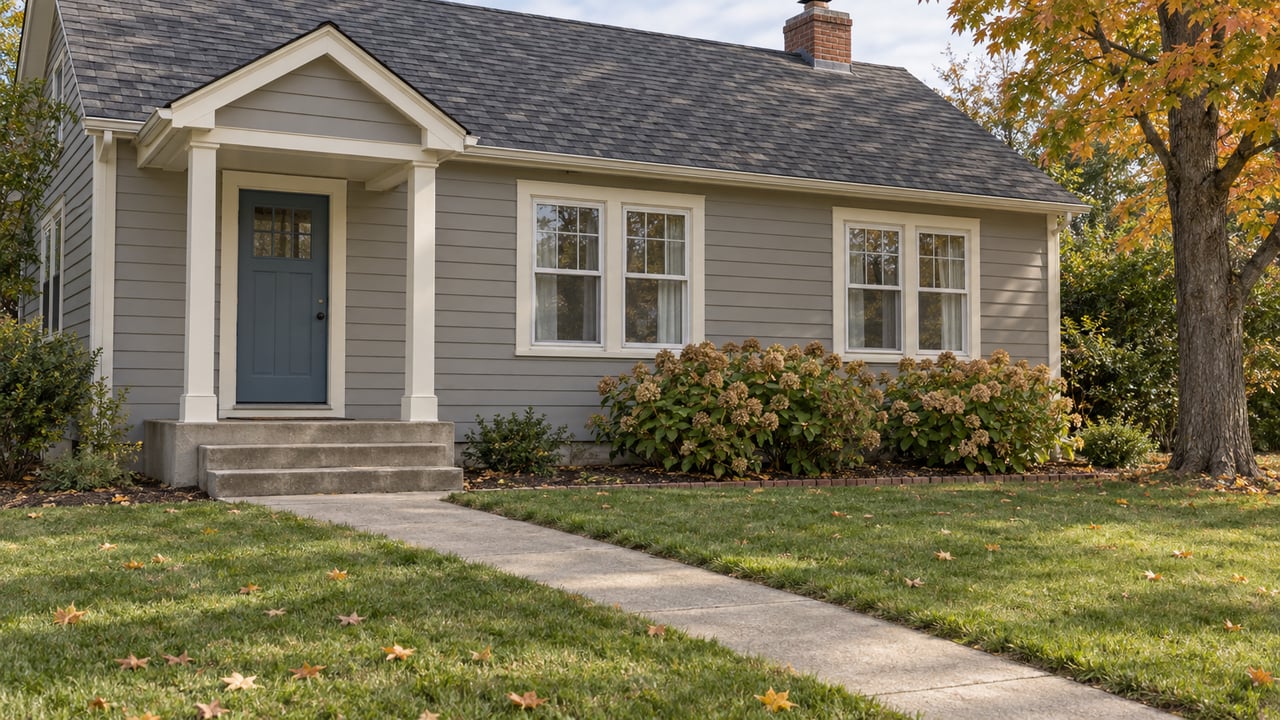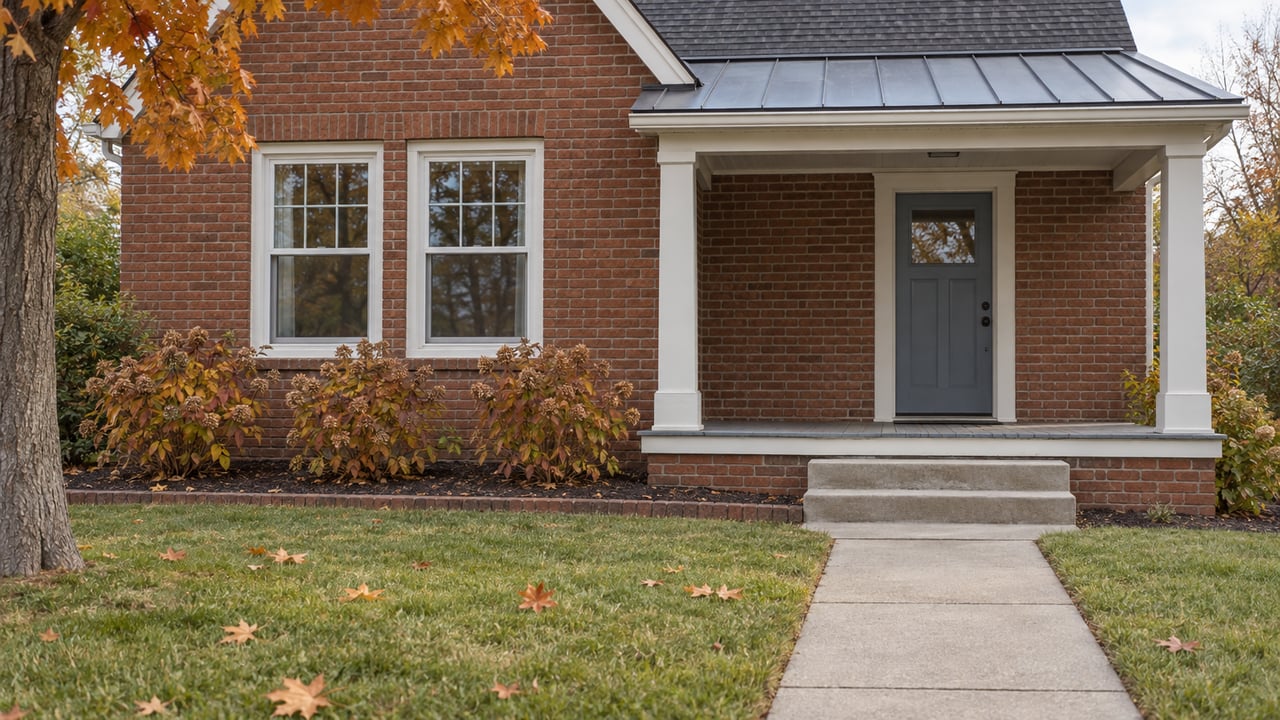
Picture two houses served by the Evansville Water and Sewer Utility, each using 4,000 gallons a month. One is inside city limits and pays $70.15 a month for sewer. The other is just over the line in unincorporated Vanderburgh County and pays $94.70 for the same amount of sewer service. Neither figure shows up on a listing sheet. Both come from a rate schedule whose last step took effect on January 1, 2020.
That date matters. EWSU is paying for a $729 million federal sewer program, a downtown sinkhole repair and a trash contract that kept getting more expensive. Its posted sewer rates have stayed where they were. The cost pressure went somewhere else. Some of it went into the trash fee, which has scheduled increases on January 1, 2027 and January 1, 2028. Some went into water rates, which just finished a five-phase increase. And some of it lives in the inside-city or outside-city rate class that comes with a property's location.
The biggest line on the bill is a 2020 number
EWSU's Sewer Rates & Charges page says the Evansville City Council sets sewer rates every year. The schedule it links as current is titled "2022 Residential Sewer Rates." Its figures match Phase IV of the four-year phase-in in Ordinance F-2016-31, which the council passed in October 2016. Phase IV took effect January 1, 2020.
A metered residential sewer bill has three parts. Here is how the inside-city version works out for a standard 5/8-inch meter at 4,000 gallons:
- A monthly base charge of $9.55.
- A cost-of-service charge of $10.16 per 1,000 gallons, or $40.64.
- An "EPA consent decree rate" of $4.99 per 1,000 gallons, or $19.96.
That adds up to $70.15. The utility's own schedule backs up the math. It charges a flat $70.15 to owner-occupied homes of no more than two people that use city sewer without city water, a rate built on an assumed 4,000 gallons a month.
Compare that with water. The Indiana Utility Regulatory Commission's 2026 Annual Water Bill Analysis puts Evansville's average monthly water bill at $47.91 for 4,000 gallons as of January 1, 2026, with the fire protection surcharge included. At that usage, sewer is the larger line by about $22 a month.
The consent decree charge is listed as its own line on the bill. EWSU says it began on January 1, 2018 and is tied to the federal requirement that Evansville comply with the Clean Water Act. Phasing it in more than doubled it, from $2.01 per 1,000 gallons in 2016 to $4.99 in 2020.
Where a property sits sets the rate before anyone turns on a tap
The rate schedule has a separate outside-city column, and every number in it is higher:
| Sewer charge, 5/8-inch meter | Inside city | Outside city |
|---|---|---|
| Monthly base | $9.55 | $12.90 |
| Cost of service, per 1,000 gal | $10.16 | $13.71 |
| EPA consent decree, per 1,000 gal | $4.99 | $6.74 |
| Total at 4,000 gal per month | $70.15 | $94.70 |
| Unmetered, assumes 8,000 gal | $130.75 | $176.50 |
The outside-city gap is $24.55 a month at 4,000 gallons, or just under $295 a year. Because it grows with every gallon, a larger household using more water pays a bigger difference.
The outside-city class covers county properties that connect to EWSU's sewer system. Unincorporated addresses that are not on it don't pay these rates. How a county property gets connected involves its own paperwork. On EWSU's residential water and sewer tap page, county residents asking for a sewer tap must say whether they already have a Waiver of Annexation or need one. EWSU sends a waiver to those who need it, and the request also needs a site plan. City residents don't need a waiver for a tap.
Properties on private wells that still use city sewer have no water meter to bill from. They pay the flat unmetered rate, which is $130.75 inside the city and $176.50 outside, based on an assumed 8,000 gallons. A small household on a well pays that flat amount whatever it actually uses, unless it qualifies for and files the reduced-rate affidavit.
The sewer fund absorbed costs that weren't sewer costs
The sewer rate stayed put while sewer costs kept rising. Part of the explanation sits on the line below it on the bill.
EWSU runs the city's trash and recycling contract with Republic Services and bills residents for it on the water and sewer statement. In January 2026, WNIN reported that the utility had not passed contract increases on to customers in five years. EWSU had been covering the difference out of other funds. EWSU Executive Director Vic Kelson told WNIN where that money came from:
"Each year we get a little farther behind in terms of just having to pay for trash service out of our other funds, specifically from our sewer funds."
In WNIN's coverage of the February 9 council vote, Kelson put the shortfall at about $1.3 million since 2022. The same report said EWSU had paid $8 million to repair the Riverside Drive sinkhole. Kelson told WNIN in January that the utility has "hundreds of millions of dollars in sewer projects" it is required to complete over the next 10 to 15 years.
Most of those projects belong to Renew Evansville. EWSU describes it as a 25-year, $729 million sewer capital plan answering the federal consent decree. The plan's goal is to capture 98% of wet-weather flow and hold overflows to no more than four a year. EWSU puts the current figures at about 35% captured and about 50 overflows. Some of that work is finished. The West wastewater treatment plant expansion raised peak-flow capacity from 30.6 to 45 million gallons per day and added a 6.1-million-gallon storage basin upstream.
The council's answer was to raise the trash fee, not the sewer rate. Ordinance G-2026-02 sets the residential trash and recycling fee on a fixed schedule:
- $15.30 a month starting with the February 1, 2026 billing date, up from $13.30
- $17.30 a month starting January 1, 2027
- $20.92 a month starting January 1, 2028
WNIN reported that the Republic Services contract ends in 2028, the same year as the last step. EWSU first proposed one increase in a single step. The council asked for it to be phased. By January 2028 the trash line will have risen $7.62 a month, about 57%, from the $13.30 that applied through 2025.
Water already took its steps, and the next project is in design
Water rates went up on a timetable of their own. Under IURC Cause 45545, approved in 2022, Evansville water rates rose in five phases. The Courier & Press reported the approved schedule would take a 5,000-gallon residential bill from $45.12 to $58.28 by 2026, an increase of 29.1%. The stated purpose was to pay for replacing the city's century-old water treatment plant. EWSU's water schedule effective April 1, 2025 lists a monthly meter charge of $11.01 for a 5/8-to-3/4-inch meter and a first-tier usage rate of $7.63 per 1,000 gallons.
The plant plan changed partway through. In September 2025, 14 News reported that the EWSU board had approved designing a groundwater treatment plant. Officials said a blended supply could save ratepayers up to $200 million over time. An Indiana Finance Authority State Revolving Fund assessment dated January 2026 estimates about $50 million for improvements to the existing water treatment plant. EWSU intends to finance that work with a Drinking Water SRF loan. The document says monthly rates and charges may need to be analyzed to repay it.
For buyers weighing Newburgh, the same IURC survey shows Indiana American Water's Newburgh/Yankeetown service area at $58.99 a month for 4,000 gallons as of January 1, 2026, compared with Evansville's $47.91. That comparison covers water only. On the Evansville side, the larger line is sewer.
Reading a seller's bill with the rate history in mind
A seller's last twelve months of EWSU statements are the most direct evidence of what a house costs to run. They are also a snapshot from before January 1, 2027. A 2026 statement shows trash at $15.30. Anyone who owns the house next year pays $17.30, and $20.92 the year after. A few details on those statements line up with everything above:
- Rate class. Inside-city and outside-city sewer customers are billed different rates, and the gap grows with usage.
- Meter size. The base charges above apply to a 5/8-inch meter. Larger meters have higher base charges for both water and sewer.
- Water source. A property on a well that uses city sewer pays a flat unmetered rate, so its sewer charge stays the same no matter how much the household uses.
- Usage. The sewer charge is figured from metered water use, so the gallons on each statement drive both the water line and the sewer line.
Utility rates, annexation waivers and loan-funded projects change, and this post is general information, not legal, tax or financial advice. Confirm the rates and requirements for a specific property with EWSU and the right professional before relying on them.
If you're comparing addresses on both sides of the city line, or pricing a home where the monthly carrying cost will come up in negotiation, The Realty Collective can help you put the sewer class, meter size and 2027 trash step in front of buyers or factor them into an offer. Start with a free home valuation, and we'll include the utility picture with the numbers.