Thinking about a move to Vincennes? If you want a place with local history, everyday convenience, and a housing market that feels more approachable than many larger Indiana cities, Vincennes may surprise you. From its walkable downtown spaces to its college-town energy and riverfront setting, this is a community with more layers than many people expect. Let’s take a closer look at what it’s like to call Vincennes home.
Vincennes Has a Small-City Feel
Vincennes is home to about 16,586 residents and covers roughly 7.5 square miles. That gives it a compact, easy-to-navigate feel while still supporting active neighborhoods, local businesses, community events, and a university presence.
For many buyers, that balance is a big part of the appeal. You get the pace of a smaller city without giving up the everyday activity that helps a place feel connected and lived-in.
Housing Feels More Attainable Here
One of the first things many movers notice about Vincennes is that home values are relatively approachable. According to local census data, the median owner-occupied home value is $111,600, which is well below the statewide median of $218,200 and the national median of $332,700.
That does not mean every home fits every budget, but it does suggest that buyers may find more accessible options here than in many other markets. The city also has a 51.7% owner-occupied rate and a median gross rent of $793, which points to a market with both ownership and rental opportunities.
Another sign of stability is that 82.2% of residents live in the same house as the year before. In practical terms, that suggests many people who move to Vincennes tend to stay.
History Shapes Daily Life
Vincennes has a long and visible history. The city states that it was founded in 1732, is Indiana’s first city, and is the state’s oldest European settlement. It also served as the capital of the Indiana Territory.
That history is not tucked away in a museum. It shows up in the architecture, street patterns, and public landmarks that residents see in daily life. In the Old Town area, many homes and buildings date to before 1900, and the city notes that French architectural influence is still visible in parts of Vincennes.
For buyers who appreciate character, that can be a meaningful part of the experience here. The housing stock feels established and varied, rather than built around one single era of development.
Downtown Vincennes Stays Active
A historic downtown only matters if people actually use it, and in Vincennes, they do. The city describes Main Street as a hub for boutique shops, eateries, small businesses, and distinctive architecture.
Downtown is also where many local events help bring the community together throughout the year. Recurring activities include the Historic Farmers Market, First Fridays Artwalk, Spirit of Vincennes Rendezvous, and Food Trucks on the Wabash.
That matters when you are deciding where to live. A downtown that supports both daily errands and local events can add a lot to your quality of life.
The Riverwalk Adds Everyday Outdoor Space
The Wabash River is part of Vincennes' identity, and the Riverwalk helps make that setting part of daily life. The city highlights it as a place to walk along the river, and it also serves as a backdrop for recurring community events.
For residents, spaces like this do more than look nice. They create room for a morning walk, a casual evening outing, or a chance to spend time outdoors without needing to leave town.
Vincennes University Brings Energy
Vincennes University is one of the city’s biggest anchors. The university reports 2,256 students on its Vincennes campus, nearly 19,798 systemwide, and more than 180 programs across a 200-plus-acre campus with over 30 major buildings.
The university adds activity well beyond the classroom. Campus amenities include a dining center, bowling center, aquatic center, recreation center, student center, clubs, and the Red Skelton Performing Arts Center.
The result is a city that has a meaningful college-town layer without feeling defined by it alone. You get the added energy, arts, and activity of a university community, paired with a broader historic downtown and established residential areas.
Arts and Attractions Are Part of Local Life
Vincennes offers more than one major attraction. The city highlights places such as the George Rogers Clark Memorial, Grouseland Mansion, the Red Skelton Museum of American Comedy, the Indiana Military Museum, and Vincennes State Historic Sites.
These destinations help shape the city’s cultural identity, but they also reflect something more practical for residents. In a smaller city, having multiple museums, performance spaces, galleries, and historic sites can create more ways to spend your time close to home.
The arts scene also extends beyond the major landmarks. Art Space Vincennes Gallery, located in the historic Cyrus Allen home, hosts contemporary exhibitions and studio work, while downtown events keep arts and culture visible throughout the year.
Parks and Recreation Support an Active Lifestyle
If you value outdoor amenities, Vincennes has a solid range of public spaces and recreation options. The Parks & Recreation Department maintains parks, trails, and facilities including Gregg Park, Chicago Park, Four Lakes Park, Lester Square Park, Vaughn Trail, and the Tecumseh Walking Trail.
Residents also have access to amenities such as the Rainbow Beach Family Aquatic Center, a skate park, a fitness park, pickleball courts, sand volleyball, fishing spots, and playgrounds. That variety gives you options whether you want structured recreation or a simple place to unwind outdoors.
In day-to-day life, this can make a real difference. Easy access to parks and trails often helps a community feel more usable, not just more attractive.
Getting Around Is Easier Than You Might Expect
For a city of this size, Vincennes has a notably visible transit option. The Vincennes Trolley is free and runs a fixed route with 60 stops, including stops near Walmart, Vincennes University, City Hall, Good Samaritan Hospital, and the medical center.
That can be especially helpful if you want another option for errands, appointments, or getting between downtown, campus, and residential areas. Even if you still rely on a car for much of your routine, having a connected public transit system adds convenience.
The Housing Stock Has Variety and Character
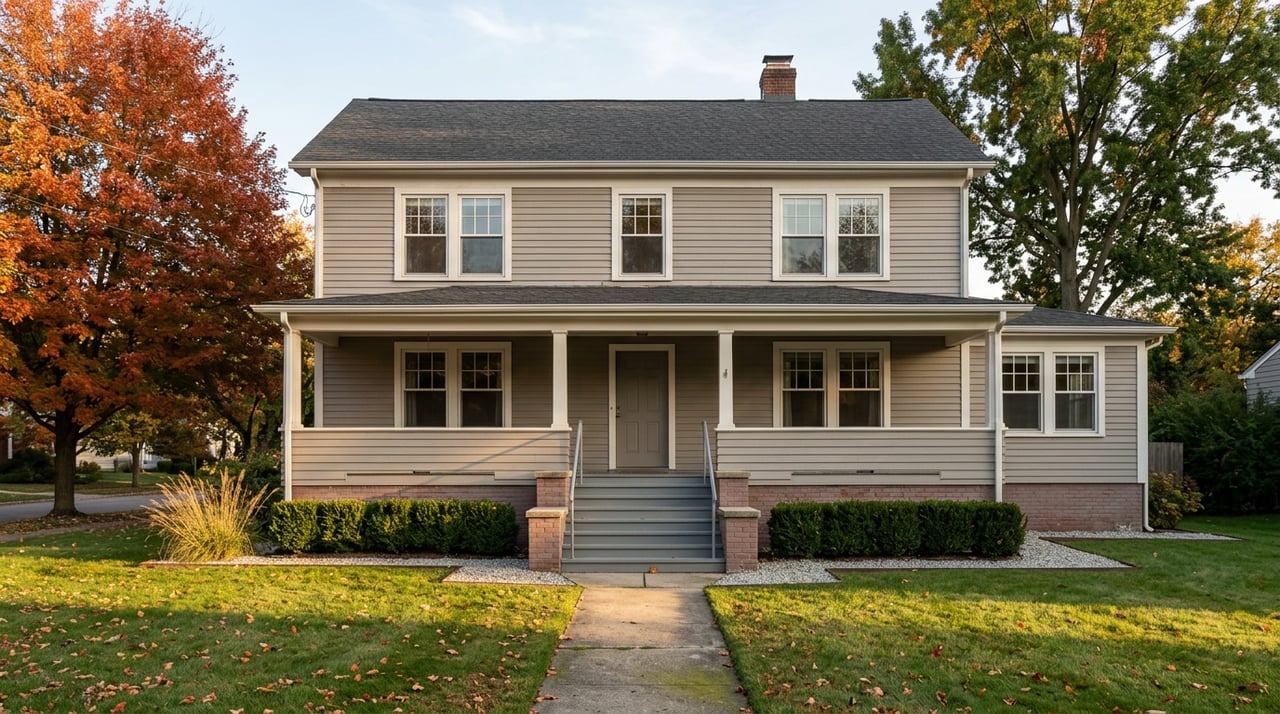
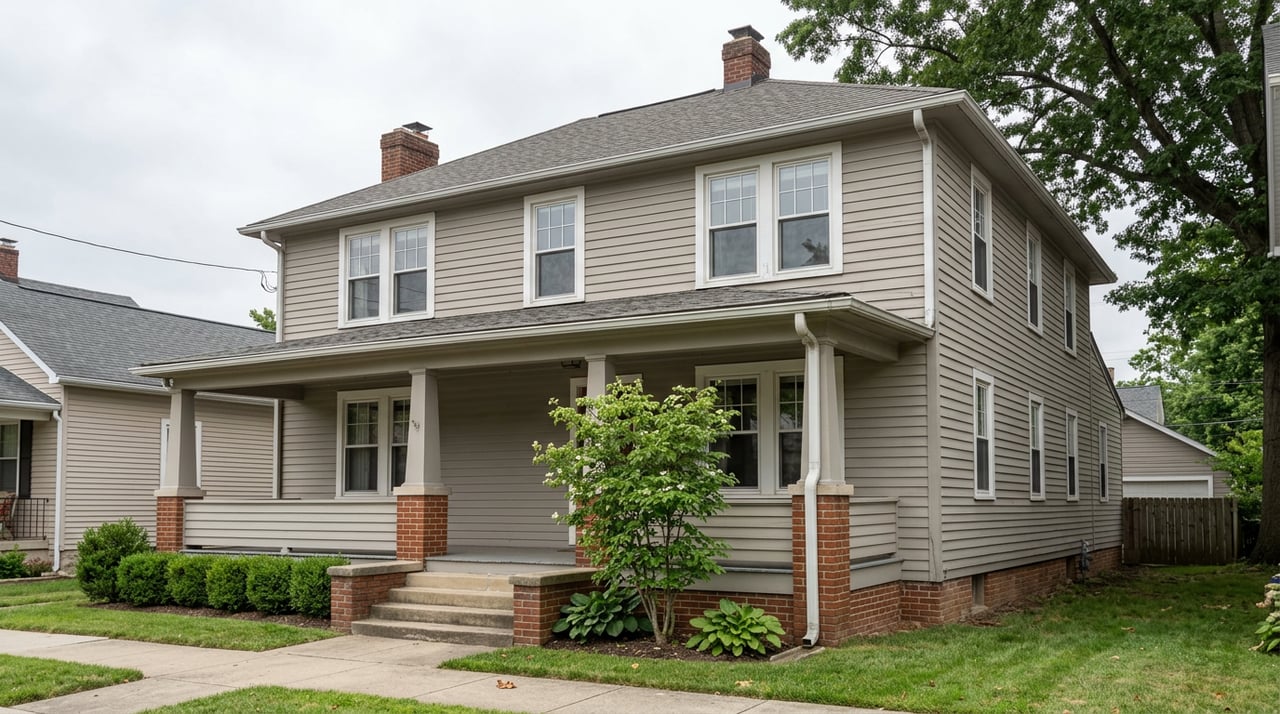
From a real estate perspective, Vincennes appears to be an established, mixed-age market. The city’s history, the presence of pre-1900 homes in Old Town, and the blend of owner-occupied homes and rentals all point to a housing market with range.
That can be appealing if you want choices. Some buyers are drawn to older homes with character, while others may be looking for more updated properties or investment opportunities tied to a stable local market and university presence.
Because the city is compact and layered, your experience can vary depending on the area and the type of property you choose. That is why local guidance matters when you start comparing neighborhoods, home styles, and pricing.
Why Buyers Keep Vincennes on Their List
When you step back, Vincennes stands out for a few clear reasons. It offers a lower-cost entry point than many other Indiana markets, a strong sense of place, and amenities that support daily life.
You are not just getting a home here. You are getting a community shaped by history, local events, public spaces, a university, and a downtown that still plays an active role in how people live.
If that combination sounds like the right fit, Vincennes is worth a closer look. And if you are planning a move, having a local team to help you sort through home options, neighborhood feel, and timing can make the process much easier.
If you are considering buying or selling in Vincennes, Marc Hoeppner can help you navigate the market with local insight and a clear plan.
FAQs
What is the population of Vincennes, Indiana?
- Vincennes has about 16,586 residents, according to Census Reporter.
What is the median home value in Vincennes, Indiana?
- The median owner-occupied home value in Vincennes is $111,600, based on U.S. Census QuickFacts data.
Is Vincennes, Indiana affordable compared to other markets?
- Vincennes has a median home value well below both the Indiana median of $218,200 and the U.S. median of $332,700, which suggests a more approachable price point for many buyers.
What is downtown Vincennes like?
- Downtown Vincennes includes boutique shops, eateries, small businesses, historic architecture, and recurring community events like the Historic Farmers Market and First Fridays Artwalk.
Does Vincennes, Indiana have parks and trails?
- Yes. Vincennes offers parks, trails, walking paths, pickleball courts, fishing spots, playgrounds, and other recreation amenities through its Parks & Recreation Department.
Is there public transportation in Vincennes, Indiana?
- Yes. The Vincennes Trolley is free and operates on a fixed route with 60 stops around the city.
How does Vincennes University affect life in Vincennes?
- Vincennes University adds student activity, arts, recreation, and cultural events to the city, giving Vincennes some college-town energy alongside its historic downtown and residential neighborhoods.